Best GPU for Rendering: Choosing the Right Card for 3D Art
Finding the best GPU for rendering can be challenging when you’re starting your journey in 3D art. With so many graphics cards available, different specifications, and huge price differences, it’s easy to assume that spending more money automatically means getting better results.
But do you really need an expensive GPU to create impressive 3D artwork?
The short answer is no. While a powerful graphics card can significantly improve certain workflows, beginners and even intermediate artists can create excellent work without investing in top-of-the-line hardware.
The important thing is understanding what you actually need.
What Does a GPU Do for 3D Art?
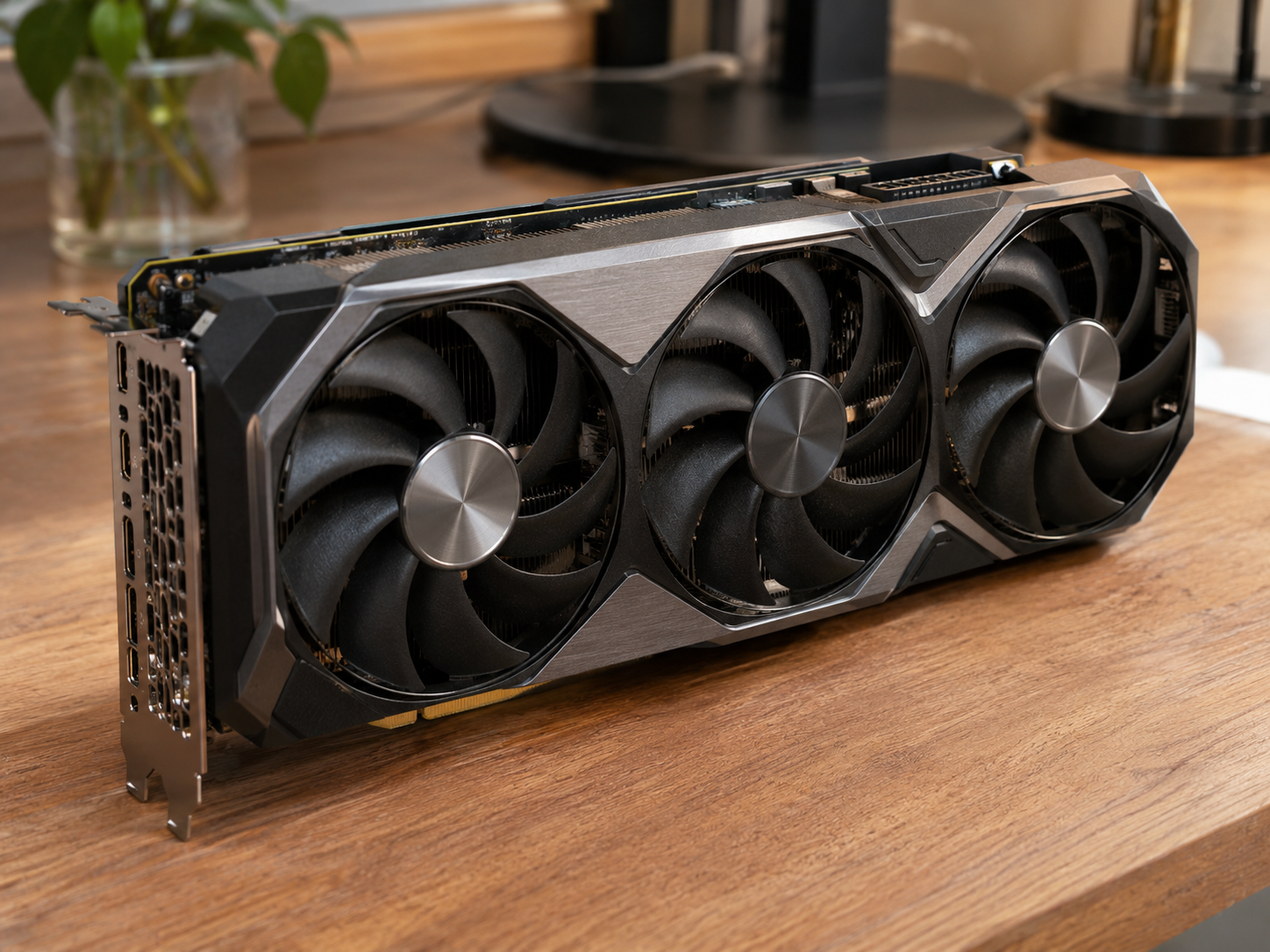
A Graphics Processing Unit (GPU) handles graphics-related calculations and helps your computer display and process complex visual information.
For 3D artists, a GPU is particularly useful for navigating scenes in real time, displaying materials and lighting, and accelerating rendering in supported applications.
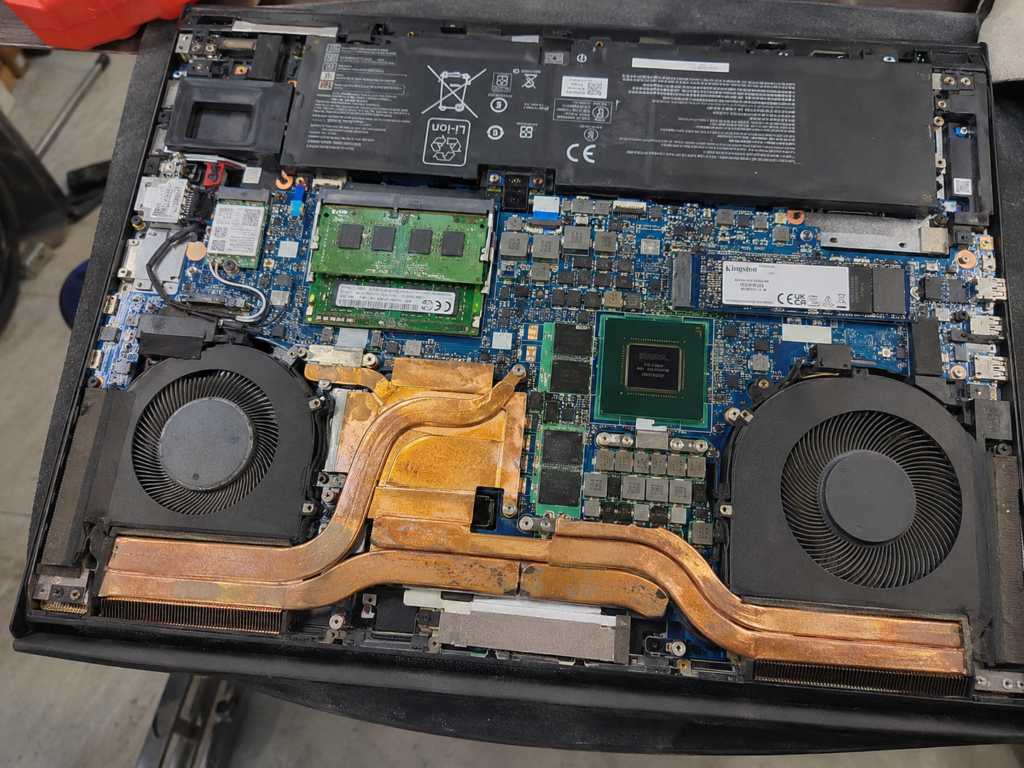
However, not every 3D task relies equally on the GPU. Modelling, simulations, and certain rendering processes also depend heavily on your CPU and system RAM.
This means buying the most expensive GPU won’t necessarily make every part of your workflow faster.
Most Popular posts
Find your bundle
Not sure what gear you need? Explore Digital Den’s curated equipment bundles, tailored to different creative needs, skill levels, and budgets. Spend less time searching and more time creating!
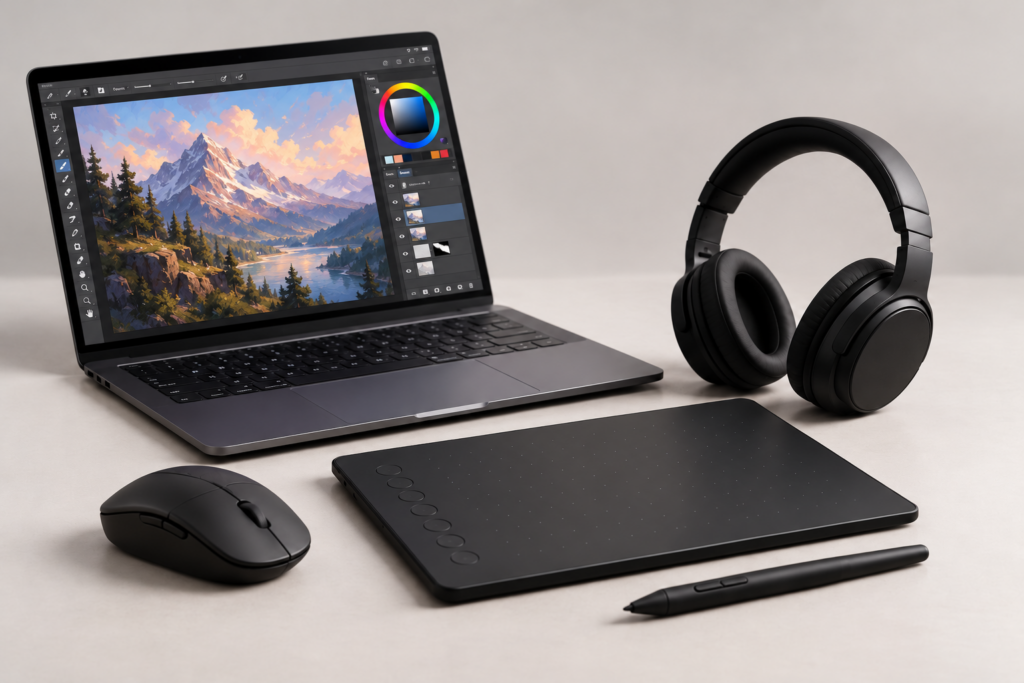
Budget bundle
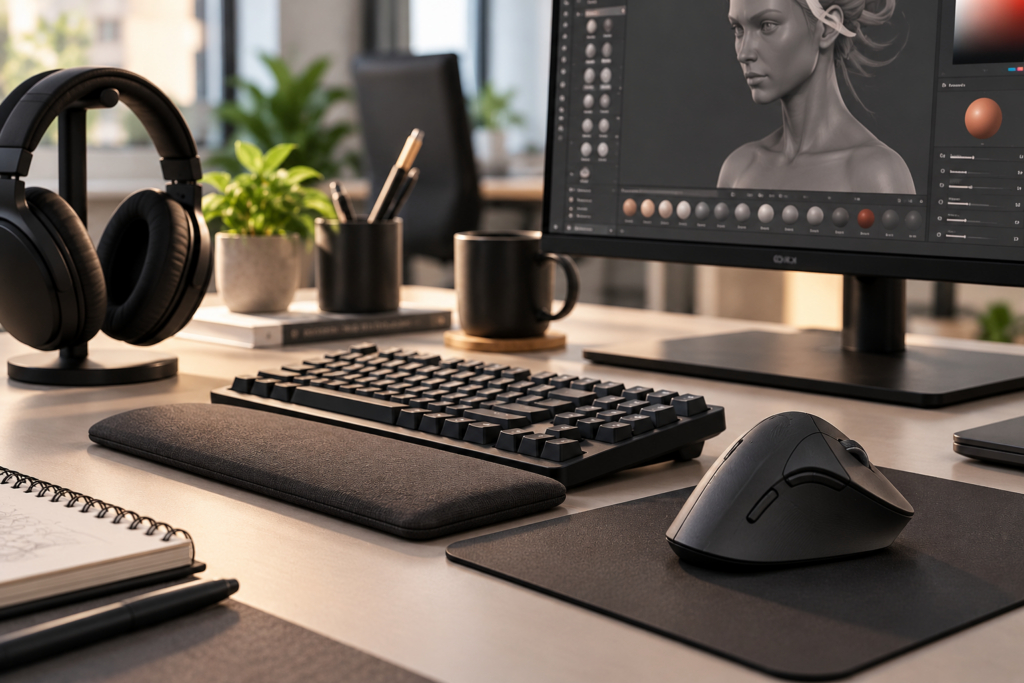
Ergonomic bundle
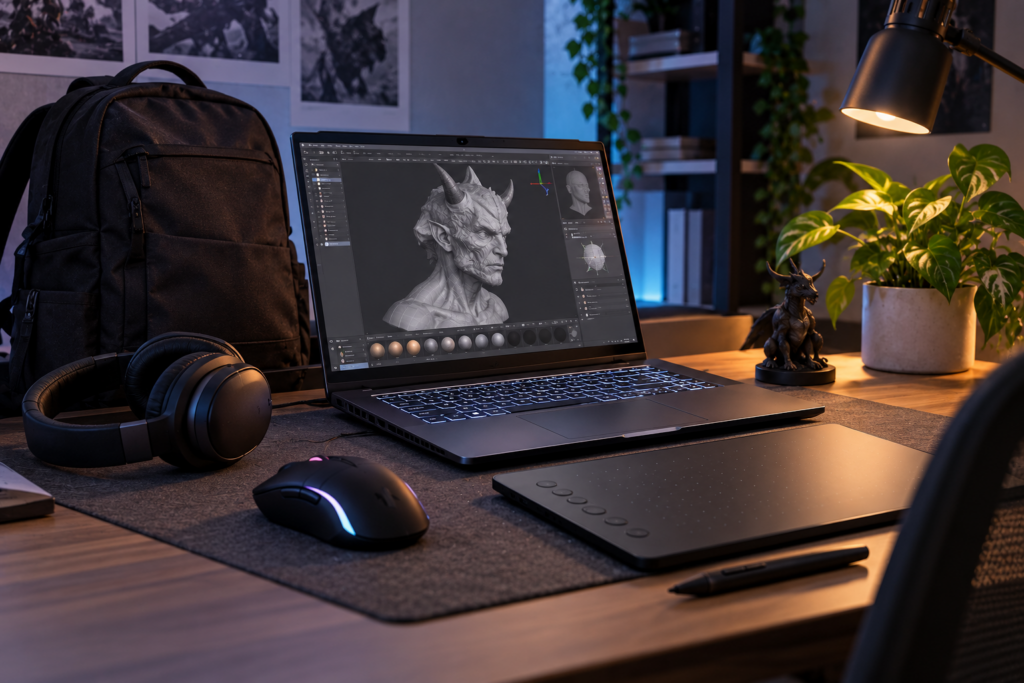
3D student bundle
Best GPU for Rendering: Entry-Level vs. Mid-Range vs. High-End
The best graphics card depends on the complexity of your projects and how you plan to use your computer.
If you’re learning 3D modelling, creating simple objects, or experimenting with software such as Blender, an entry-level dedicated GPU can be a reasonable starting point.
These graphics cards are generally suitable for smaller scenes, basic modelling, and beginner projects.
Although rendering may take longer and complex scenes can become challenging, you can still learn essential 3D skills without spending a fortune.
For many digital artists, mid-range GPUs offer the best balance between performance and affordability.
They generally provide more processing power and often more VRAM than entry-level alternatives, making them suitable for larger scenes, more detailed models, and GPU-accelerated rendering.
If you’re studying game art, creating animations, or regularly working with 3D environments, a capable mid-range GPU may be a worthwhile investment.
It gives you room to develop your skills without immediately needing another upgrade.
Best for: Students, intermediate artists, and aspiring professionals.
High-end GPUs are designed for demanding workflows where additional performance can save significant amounts of time.
They are especially useful when working with complex environments, high-resolution textures, GPU-intensive rendering, or large projects that require substantial graphics memory.
However, this level of performance comes at a considerable cost.
If you’re mainly learning modelling fundamentals or creating small projects, much of that extra performance may go unused.
Best for: Professional artists, advanced users, and demanding rendering workloads.
How to Choose the Best GPU for Rendering
Before spending hundreds or thousands on a graphics card, consider these four factors.
Different 3D applications have different hardware requirements. Blender, Autodesk Maya, Unreal Engine, and other creative tools may use your GPU differently.
Always check the recommended specifications and supported graphics hardware for the software and rendering engine you plan to use.
VRAM stores graphics data such as textures, geometry, and rendering assets.
Having enough VRAM is particularly important when working with detailed scenes and high-resolution textures.
For many beginner projects, 8 GB of VRAM can be a reasonable starting point, while more demanding workloads may benefit from 12 GB, 16 GB, or more.
These are practical guidelines rather than universal requirements.
If you frequently use GPU rendering, a faster graphics card can noticeably reduce rendering times.
However, some rendering engines rely on the CPU or support both processing methods. Make sure your preferred renderer supports the GPU you’re considering.
A powerful GPU isn’t particularly useful if the rest of your computer struggles to keep up.
System RAM, CPU performance, and SSD storage also influence how smoothly you can work.
For example, investing in a mid-range GPU alongside sufficient RAM and fast storage may provide a better overall experience than purchasing a high-end GPU while compromising on everything else.
Should You Upgrade to the Best GPU for Rendering?
Before upgrading, ask yourself whether your current graphics card is actually limiting your work.
Are your scenes becoming difficult to navigate? Are you running out of VRAM? Are rendering times interfering with your projects?
If the answer is yes, upgrading could make a meaningful difference.
But if your current GPU handles your projects comfortably, there may be little reason to spend more money.
You might benefit more from upgrading your RAM, improving your storage, or simply continuing to develop your artistic skills.
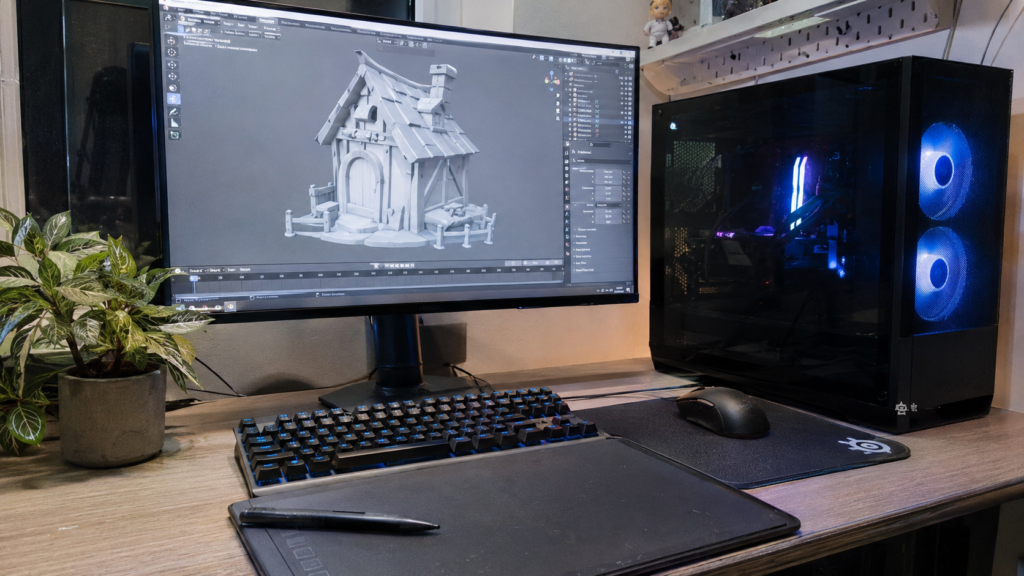
Final Thoughts: Buy What You Need, Not What’s Most Expensive
You don’t need the most expensive GPU to become a great 3D artist.
For beginners, an affordable graphics card can provide everything needed to learn the fundamentals. Intermediate artists may benefit from the additional performance of a mid-range GPU, while professionals working with demanding scenes may find high-end hardware worthwhile.
The key is choosing equipment that matches your software, creative ambitions, and budget.
At Digital Den, we believe building a creative workstation should be about making informed decisions, not simply buying the most expensive components.
Before your next upgrade, consider what would genuinely improve your workflow.
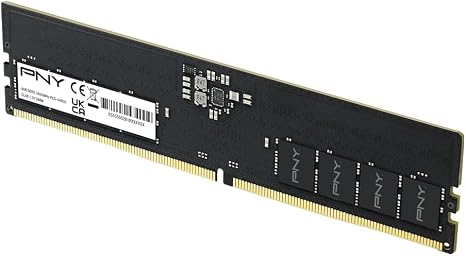
PNY DDR5 8GB (1x8GB) 5600MHz CL46 Performance Desktop Memory
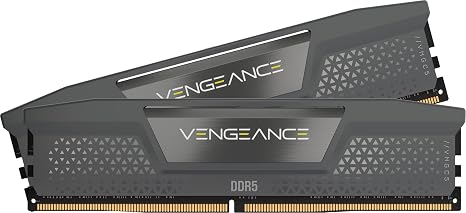
CORSAIR Vengeance DDR5 16GB (2 x 8GB) Up to 5200MHz AMD Intel RAM
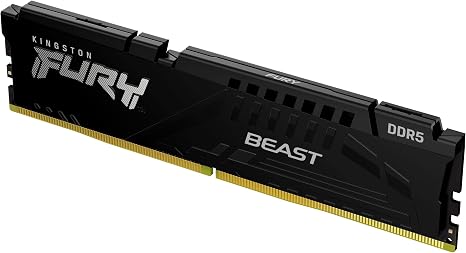
Kingston FURY Beast 8GB 6000MT/s DDR5 CL36 Desktop Memory | AMD EXPO |Single Module | KF560C36BBE-8
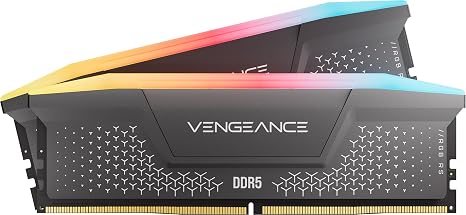
Corsair Vengeance RGB RS DDR5 16GB (2 x 8GB) Up to 6000MHz AMD Intel RAM